
Trial specifics for ALS patients
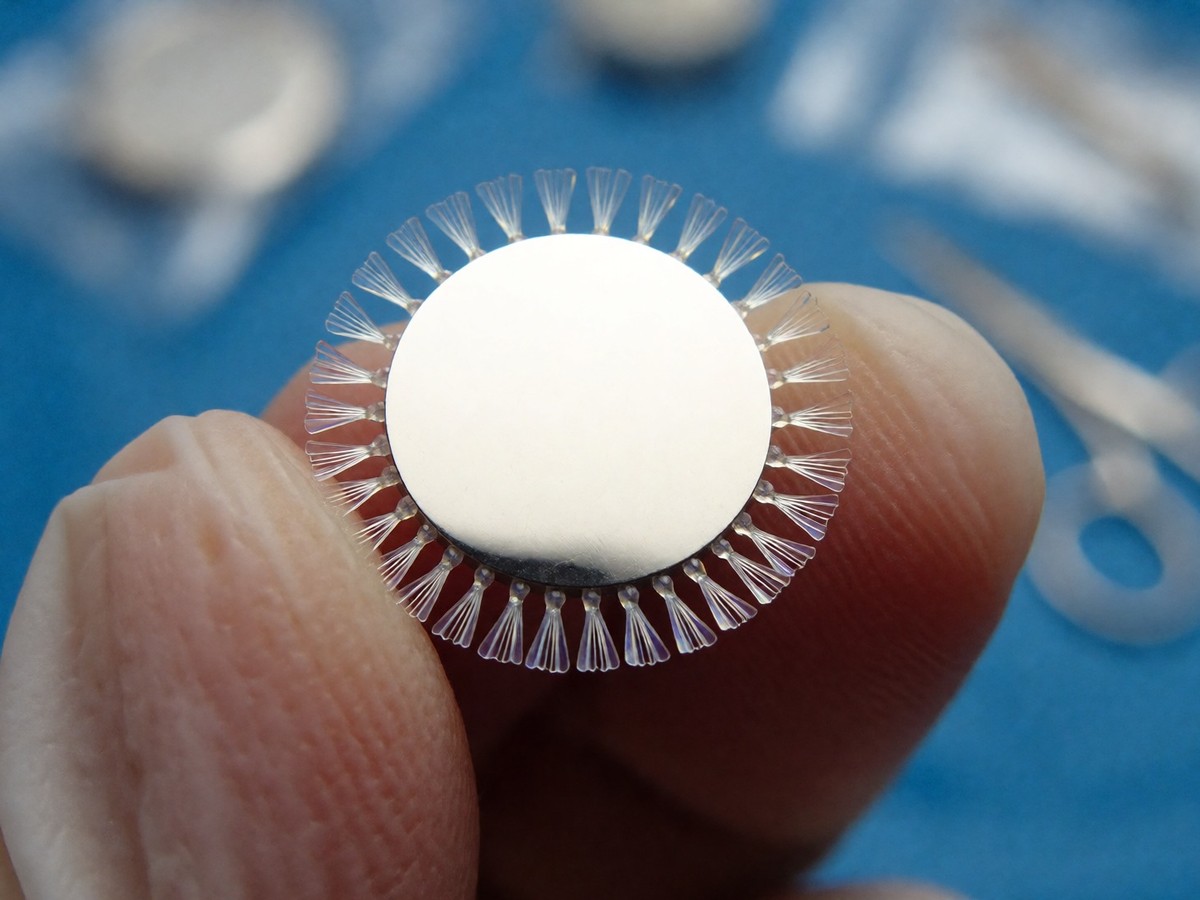
Neuralink received FDA permission to launch its first "pivotal" trial for the implantable LINK brain-computer interface in the US. This FDA authorization is clearly a major advancement for the LINK system’s ability to reach ALS patients. The study targets patients with ALS, a progressive neurodegenerative disorder that damages nerve cells controlling voluntary muscle movement. This study evaluates the efficacy and safety of the LINK device, specifically focusing on whether patients can control digital devices through thought to achieve functional outcomes that improve independence in daily life for those with paralysis. To facilitate this, the company uses the N1 implant, which a surgeon places in the skull, and then uses the R1 robot to insert flexible electrodes into the brain. Software interprets brain activity associated with movement and translates these signals into commands for computers or digital devices. This technology helps patients communicate with the outside world, with the eventual goal of letting them operate devices without keyboards or other physical controls.
| Component | Function |
|---|---|
| N1 implant | Placed surgically in the skull |
| R1 robot | Inserts flexible electrodes into the brain |
| Software | Translates movement-related brain signals into commands |
Progress and future market goals
Neuralink builds this trial on work with 30+ participants to date. Last year, the company revealed that Bradford Smith, its first participant with ALS, communicated using brain signals alone. "Neuralink has given me freedom, hope, and faster communication. … It has improved my life so much. I’m so happy to be involved in something big that will help many people," Smith said. The FDA authorization remains on an experimental basis. If the technology proves safe and reliable, Neuralink may apply for more advanced trials and eventually release the LINK system onto the market. The company can now recruit participants and conduct the study, though it did not specify other requirements or the number of participants. The study will also assess the system’s long-term safety and reliability while evaluating the ability of patients to control digital devices through thought to improve independence in daily life.