
Success through manual labor
GTA VI earned $3.79 billion on its release day last week, which exceeds the $2.9 billion made by Avengers: Endgame and the $2 billion from Taylor Swift’s Eras tour. The game holds the title of the highest-rated game of all time on Metacritic. While the industry moves toward automation, Rockstar Games employed 5,000 people to build the title over a 13-year period. Instead of using procedural generation for every detail, Rockstar created the game entirely without generative AI and manually crafted 30,000 nonplayable characters with unique appearances and personalities.
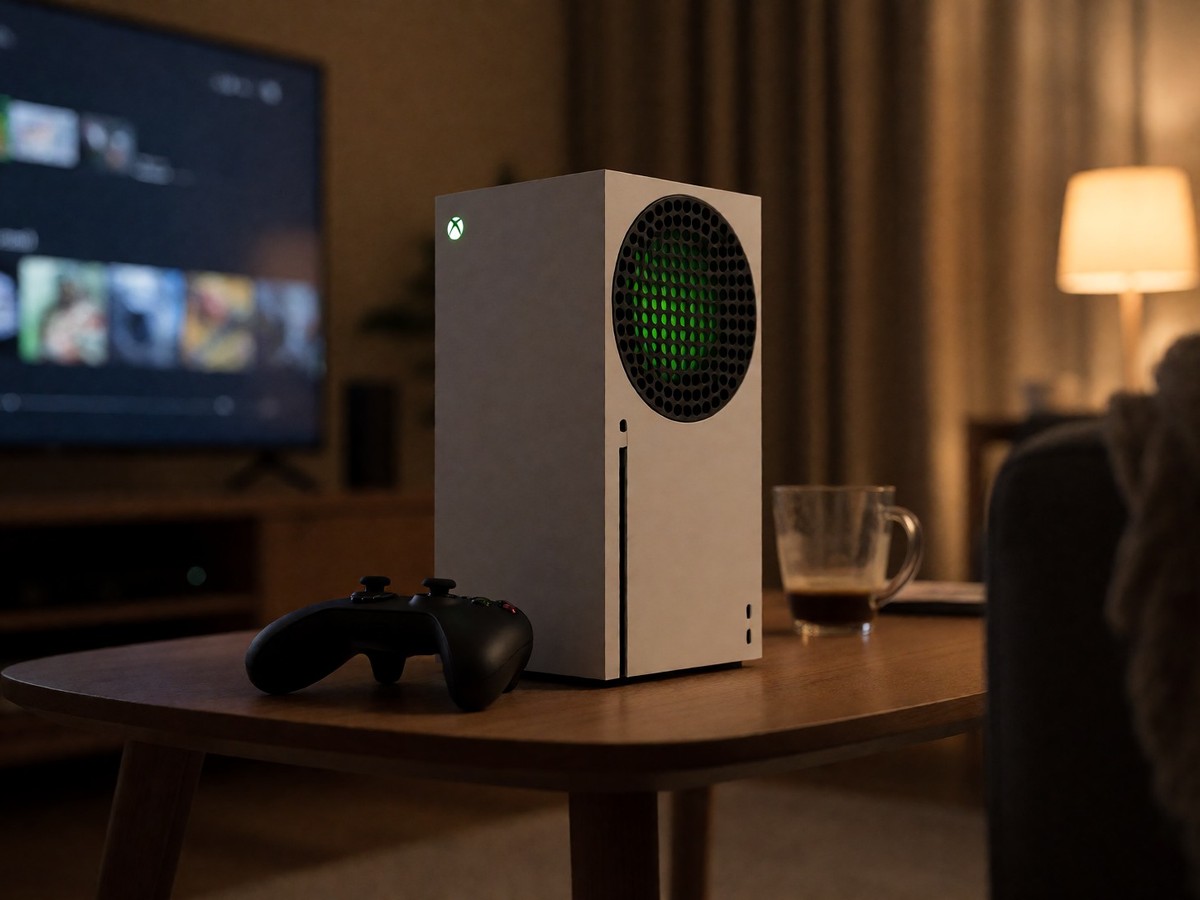
Spiry co-founder Dima Beseda reshuffled his workload and booked vitamin IV drips to keep his energy up so he could play the game on weekends. Many players felt a sense of anticipatory nostalgia as they used their Xbox consoles to play the game they had anticipated since childhood. Ben Feder, the managing partner at TIRTA Ventures, says this way of developing has reached its natural frontier. He argues that creative output requires deletion and that getting to a masterpiece often requires an enormous amount of deletion. Because this expensive process is not efficient, Feder told TechCrunch that this way of developing has reached its "natural frontier." This lack of efficiency allowed developers to experiment and rework ideas, even though it forced them to delay the game twice. The 13-year wait fueled the frenzy. Fans waited more than three presidential terms for the next installment.
The clash with AI efficiency
The $81.3 billion IPO of Anthropic occurred the same Thursday that players began exploring Vice City. AI companies like Anthropic prioritize efficiency, aiming to automate work to expand human capabilities. This technological revolution has caused children to be inundated with mind-numbing slop on YouTube and led tech companies like Meta to lay off tens of thousands of people. Google released Project Genie earlier this year to let users wander through 3D worlds generated from LLM prompts, which caused the stock prices of several video game companies to falter. Take-Two Interactive CEO Strauss Zelnick dismissed the idea that new tools would allow an individual to push a button to generate a hit, market a hit, and bring it to many millions of consumers around the world. He called the notion "laughable" during a time when Mark Zuckerberg promised AI would soon generate personalized content and Elon Musk claimed AI would select the best video games for users.
The 212 GB behemoth forces players into slow, mundane tasks like driving around doing errands or putting up drywall to make a girlfriend happy. While the visuals look lifelike, the game’s scale relies on the time and space developers had to perfect details. Ben Feder noted that plenty of fantastic art has to be created slowly, and there is something to having that kind of inefficiency around it. The game forces the player to slow down, and this experience is either frustrating or genius depending on the player’s sense of humor. This creates a paradox during "Grandthropic" week, as the game is impressive because its developers could make mistakes.