
Vulnerable vessels and Iranian retaliation
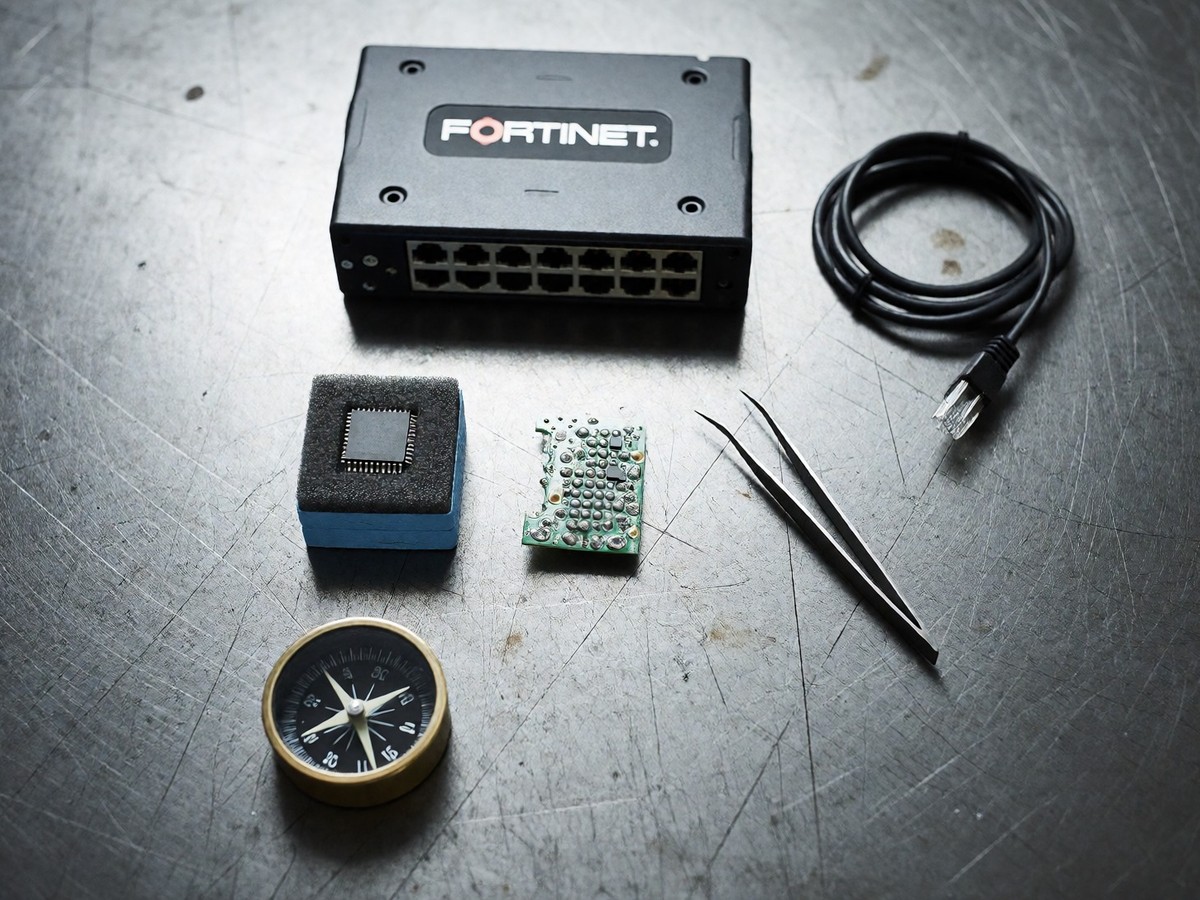
U.S. officials suspect Iranian hackers may be behind as many as 50 cyberattacks targeting shipping vessels in recent weeks, according to a report by The Wall Street Journal that notes these ships carried oil and liquefied gas. These ships traveled across Asia and Europe. In August, several oil tankers heading toward the US coast suffered navigation system breaches, and this prompted FBI and Coast Guard cybersecurity teams to board the vessels. Officials investigate if Iran targets large vessels to cause port explosions or disrupt routes and sow fear among shippers. Hackers potentially used a bug called FortiBleed to compromise vulnerable Fortinet-made routers, a vulnerability identified in a joint FBI-Coast Guard security alert in September. I find the potential for port explosions through these automated breaches extremely alarming. Ships maintain backup controls if automated systems fail or if hackers breach them. Iran has been firing back on all sides since the start of the U.S./Israel-led war earlier this year, which killed the country’s supreme leader. U.S. officials also blame Iran for hacks against hundreds of American water providers and medical tech companies.
AI tools and technical debt
I believe the NCSC is correct that building strong foundations remains the most important defense. The UK National Cybersecurity Center (NCSC) reports a "marked rise" in AI-driven cyberattacks in recent months. The NCSC states in a blog post that it has seen several cyber incidents since September involving autonomous hacking tools, such as penetration testing tools used by defenders to stress-test their cybersecurity defenses. These incidents caused intrusions at organizations and resulted in downtime. The NCSC wrote that instead of novel memory corruption vulnerabilities, the issues being exploited currently consist of unmitigated weaknesses resulting from years of technical debt. Hackers use autonomous tools, including open source penetration testing tools like Artex and Cairn, to exploit weaknesses. The FBI warned that malicious hackers use these AI tools at unprecedented speeds. AI makes it easier to find vulnerabilities and faster to exploit them, as weaknesses that have gone unnoticed for years can be found in minutes. Agentic hacking tools find internet-facing systems and run through lists of weak passwords.
| Category | Details |
|---|---|
| Identified Bug | FortiBleed |
| Target Hardware | Fortinet-made routers |
| AI Tools | Artex, Cairn |
| Attack Methods | Password guessing, API endpoint abuse |